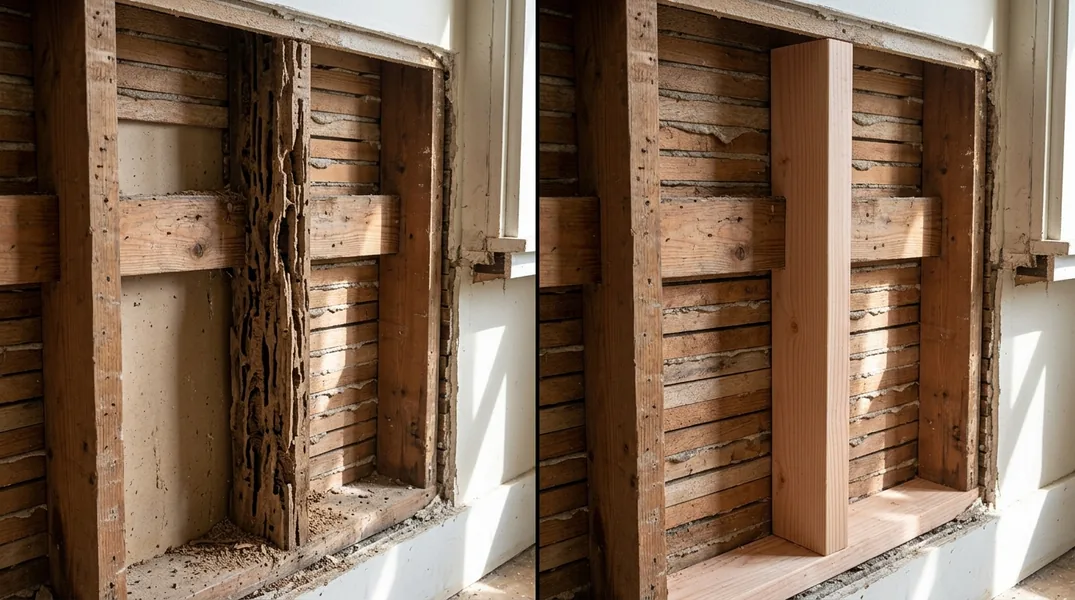
Carpenter Ants vs Termites: What's the Difference?
If you've noticed suspicious damage to the wood in your Tacoma home, you might be wondering whether you're dealing with carpenter ants or termites. While both pests can cause serious structural damage, they're very different creatures with different behaviors and treatment requirements. Understanding the distinction is the first step toward protecting your property and knowing when to seek professional help.
Carpenter ants and termites have fundamentally different life cycles and feeding habits. Carpenter ants are large insects that tunnel through wood to create nesting galleries, but they don't actually eat the wood. Instead, they hollow it out to make space for their colonies, leaving behind a network of smooth, clean tunnels. Termites, on the other hand, are wood-eating insects that consume cellulose as their primary food source. This means termites actually digest the wood fibers, weakening the structural integrity of your home from the inside out. The damage patterns they leave behind are quite distinct, and recognizing these differences can help you take the right action quickly.
Signs of Carpenter Ant Damage: What to Look For
Identifying signs of carpenter ant damage requires a careful eye, but the telltale signs are usually there if you know what to look for. One of the most obvious indicators is the presence of sawdust or wood shavings near baseboards, window frames, or other wooden structures in your home. Carpenter ants create smooth, well-defined tunnels as they excavate wood, and they often push out the debris from these tunnels in small piles. If you find piles of fine sawdust that look almost like sand, especially near cracks or entry points in your home, carpenter ants may be at work.
Another key sign of carpenter ant activity is the appearance of the actual ants themselves. Carpenter ants are significantly larger than most other ant species, typically measuring between one-quarter and one-half inch in length. They're usually black or dark brown, and you might spot them trailing along walls, baseboards, or wooden structures, especially at night. Listen carefully near suspected areas, too. When carpenter ants are actively tunneling, you may hear faint rustling or scratching sounds coming from inside the walls. Additionally, look for smooth, clean galleries or tunnels in damaged wood. Unlike termite damage, which often leaves a papery or honeycomb appearance, carpenter ant tunnels are neat and orderly, almost as if they were made with precision tools.
Dampwood Termite vs Carpenter Ant: Understanding the Key Differences
The dampwood termite vs carpenter ant comparison is particularly relevant in the Pacific Northwest, where moisture levels make our region attractive to both pests. Dampwood termites are larger than subterranean termites and are commonly found in areas with high moisture content. They're attracted to wood that's already damp or decaying, making homes with water damage or poor drainage especially vulnerable. Carpenter ants, while also attracted to moisture, can thrive in both damp and dry wood. This distinction matters because it affects where you're likely to find each pest and what conditions in your home might be attracting them.
When you compare the actual damage patterns, the differences become even clearer. Dampwood termites leave behind galleries that are often smooth and may contain fecal pellets that look like tiny grains of sand. The wood around these galleries tends to look darker and more deteriorated. Carpenter ants, by contrast, leave behind clean, almost polished tunnels with no fecal material inside. The wood surrounding carpenter ant galleries usually looks relatively normal on the surface, even though it's been hollowed out underneath. If you're in Tacoma and suspect you have either pest, the best approach is to have a professional inspection to confirm which one you're dealing with, since the treatment methods and repair approaches are quite different.
What Does Wood Rot Look Like: Distinguishing Decay from Pest Damage
Understanding what does wood rot look like is crucial because wood rot and pest damage often occur together in homes with moisture problems. Wood rot is the natural decay of wood caused by fungal growth, typically triggered by prolonged exposure to moisture. Rotted wood has a distinctly different appearance from pest-damaged wood. It often appears soft, spongy, and discolored, with colors ranging from light tan to dark brown or black depending on the type of fungus involved. The surface may feel crumbly when you press on it, and the wood may emit a musty odor. Dry rot, a particularly aggressive form of fungal decay, can spread rapidly through your home and cause extensive structural damage if left untreated.
The relationship between wood rot and pest infestation is important to understand. Dampwood termites and carpenter ants are both drawn to areas where wood is already rotting or experiencing moisture damage. In many cases, homeowners discover that they have both rot and pests in the same area of their home. This means that addressing one problem without addressing the other often leads to recurring issues. If you notice soft, discolored wood with a musty smell, combined with signs of pest activity, you're likely dealing with a compound problem that requires professional attention. The good news is that addressing the underlying moisture issue while simultaneously treating the pest infestation and repairing the damaged wood can prevent these problems from recurring.
When to Call a Professional for Wood Damage Repair in Tacoma
If you've identified signs of carpenter ant damage, termite infestation, or wood rot in your home, it's time to call in the experts. While minor surface damage might seem manageable, pest damage and wood rot often extend far deeper than what's visible to the naked eye. Structural damage that goes undetected can compromise the safety of your home and become exponentially more expensive to repair the longer it's ignored. Professional carpenters and pest specialists have the tools, knowledge, and experience to assess the full extent of the damage and recommend the most effective treatment and repair strategy.
At Tacoma Carpentry, we specialize in identifying and repairing all types of wood damage, from pest-related tunneling to fungal rot. Our team can provide you with a comprehensive assessment of your home's condition and explain exactly what needs to be done. Whether you need Floor Joist & Subfloor Repair, Beam Replacement & Load-Bearing Wall Removal, or other structural repairs, we have the expertise to restore your home safely. We recommend scheduling a free estimate as soon as you suspect a problem. Early detection and professional intervention can save you thousands of dollars in the long run and protect your home's structural integrity.
Prevention Tips: Protecting Your Tacoma Home from Future Damage
Once you've addressed an existing pest or rot problem, the next step is preventing future infestations. Both carpenter ants and termites are attracted to moisture, so controlling humidity levels in your home is one of the most effective preventive measures. Ensure that your gutters are clean and functioning properly, that downspouts direct water away from your foundation, and that your crawl space or basement has adequate ventilation. Fix any leaks in your roof, plumbing, or exterior walls promptly. If you've had water damage or flooding, dry out affected areas completely and consider using a dehumidifier in damp spaces.
Beyond moisture control, seal cracks and gaps in your home's exterior, including around windows, doors, and utility penetrations. Remove dead wood, stumps, and fallen branches from around your property, as these can serve as entry points or breeding grounds for pests. Keep wood mulch at least a foot away from your home's foundation, and avoid stacking firewood directly against exterior walls. Regular inspections of your home's wooden structures, especially in areas prone to moisture, can help you catch problems early. If you ever notice signs of damage or infestation, don't wait. Contact Tacoma Carpentry at (253) 322-2881 to discuss your concerns and schedule an inspection. Taking a proactive approach to home maintenance is far more cost-effective than dealing with extensive structural damage later.
Looking for a professional carpentry contractor in Tacoma? Tacoma Carpentry responds fast for all your carpentry needs.
Get a Free QuoteOur services: Wood Rot & Dry Rot Repair · Termite Damage Repair · Floor Joist & Subfloor Repair