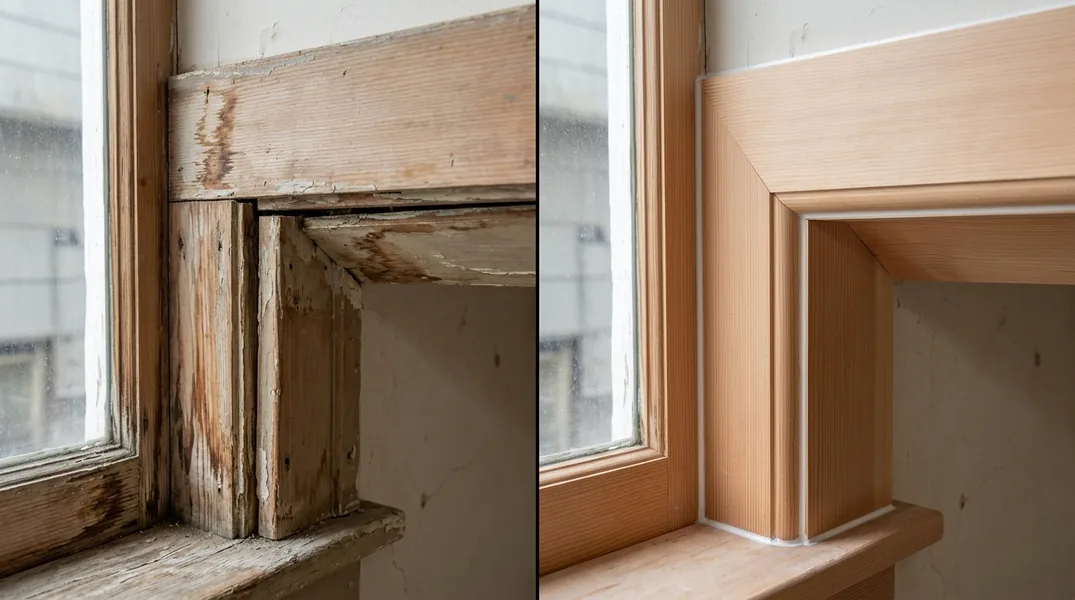
What Is L&I Registration and Why Does It Matter?
If you're planning carpentry work in Tacoma or anywhere in Washington state, you've probably heard the term L&I thrown around. L&I stands for the Department of Labor and Industries, the state agency responsible for licensing contractors and ensuring public safety on construction projects. Understanding L&I requirements isn't just about following rules; it's about protecting yourself, your home, and ensuring the work meets state safety standards.
Washington state takes contractor licensing seriously because improper carpentry work can lead to structural failures, safety hazards, and costly repairs down the road. Whether you're hiring someone to handle Wood Rot & Dry Rot Repair, frame new walls, or perform other carpentry tasks, knowing who needs to be registered with L&I will help you make informed decisions and avoid legal complications.
Do You Need an L&I License for Carpentry Work in Washington?
The answer depends on the scope and nature of the work being performed. In Washington state, not all carpentry work requires an L&I contractor license. The state distinguishes between specialty contractors and general contractors, and the rules vary based on what type of carpentry is being done and the project value.
If the carpentry work is part of a larger construction project valued at $1,000 or more, a licensed general contractor is typically required to oversee the project. However, if you're hiring a specialty contractor to perform specific carpentry tasks like Floor Joist & Subfloor Repair or structural work, that contractor must hold the appropriate L&I specialty contractor license. This is where things get nuanced, and many homeowners in Tacoma find themselves confused about what's actually required.
The key is understanding that Washington's licensing system protects consumers by ensuring contractors have met training, experience, and bonding requirements. If someone is performing work that requires a license and doesn't have one, you could face problems with permits, inspections, and future home sales.
Understanding L&I Specialty Contractor Carpentry Licenses
Washington recognizes several specialty contractor categories, and carpentry-related work often falls under the specialty contractor classification. An L&I specialty contractor license is required for certain types of carpentry work, particularly when it involves structural components, load-bearing elements, or work that affects the integrity of a building. This includes tasks like Beam Replacement & Load-Bearing Wall Removal, which absolutely requires a licensed contractor because improper execution could compromise your home's structural safety.
Specialty contractors must pass an examination, demonstrate relevant work experience, and maintain liability insurance and a bond. When you hire a specialty contractor for carpentry work, you have the assurance that they've been vetted by the state. This is particularly important for complex repairs where mistakes can be expensive and dangerous. If you're unsure whether the work you need requires a specialty contractor license, the safest approach is to ask the contractor for their L&I license number and verify it on the Department of Labor and Industries website.
Many homeowners don't realize that hiring an unlicensed contractor can leave them without recourse if something goes wrong. If a contractor causes damage or performs substandard work, your ability to file a complaint or seek compensation is much stronger when they're properly licensed with L&I.
When Do You Need a Permit for Carpentry Work?
Permits and licensing are related but separate requirements. Even if a contractor doesn't technically need an L&I license for a particular job, you may still need a building permit from your local city or county. In Tacoma, most structural carpentry work, wall modifications, and significant repairs require permits. Permits ensure that work meets local building codes and that inspections occur at key stages to verify safety and quality.
Work that typically requires permits includes structural modifications, Termite Damage Repair involving structural components, and any project that alters the load-bearing capacity of your home. The permit process involves submitting plans, paying fees, and scheduling inspections. While it might seem like an extra step, permits actually protect you by ensuring the work is done correctly and creating an official record that can be important when selling your home.
If you're planning carpentry work, contact your local building department to determine whether a permit is needed. If a contractor tells you that permits aren't necessary for work that typically requires them, that's a red flag. Licensed, reputable contractors will always advise you on permit requirements and help you navigate the process.
Is My Wall Load Bearing? Why It Matters for Licensing
One of the most common questions homeowners ask is whether a wall is load bearing. This question becomes critically important when you're planning to remove, modify, or repair a wall, because work involving load-bearing walls definitely requires a licensed contractor. A load-bearing wall supports the weight of the structure above it (roof, upper floors, etc.), and removing or altering it without proper engineering and installation of support beams can cause catastrophic structural failure.
Determining whether a wall is load bearing requires professional assessment. Factors like the wall's orientation, location relative to the foundation, and what's above it all play a role. If you're considering any wall work, you should have a professional evaluate it. This is not something to guess about or handle without proper expertise. Insured contractors and structural engineers can assess your walls and determine what work is needed, whether permits are required, and what licensing is necessary to complete the project safely.
If you're dealing with walls that have been damaged by wood rot, termites, or other issues, the load-bearing question becomes even more critical. Damaged load-bearing walls need immediate attention from qualified professionals to prevent safety hazards.
How to Verify a Contractor's L&I License
Before hiring any contractor for carpentry work in Washington, verify their license status. The Department of Labor and Industries maintains a public database where you can look up contractor licenses by name, license number, or business name. This simple step can save you from hiring an unlicensed contractor and facing legal or safety complications later.
When you contact a contractor, ask for their L&I license number. A legitimate contractor will provide this information without hesitation. Once you have the number, visit the L&I website and search their contractor database. You'll be able to see their license type, current status, and any disciplinary history. This transparency is one of the best protections available to homeowners. If a contractor is evasive about their licensing or can't provide a valid license number, move on to someone else.
Additionally, ask for references and proof of liability insurance. A properly licensed contractor will have both. They should also provide you with a written estimate and clear timeline for the work. These steps, combined with license verification, help ensure you're hiring a qualified professional who will do the job right. If you need help finding a reliable, licensed contractor for carpentry work in Tacoma, reach out to Tacoma Carpentry at (253) 322-2881 for a free estimate.
Common Carpentry Projects and Their Licensing Requirements
Understanding which projects require licensing can help you navigate the process more confidently. Minor carpentry work like replacing trim, installing shelving, or fixing small structural issues might not require an L&I license, though permits may still be needed depending on scope and local requirements. However, any work that affects structural integrity, load-bearing capacity, or involves significant repairs almost always requires a licensed contractor.
Projects like Wood Rot & Dry Rot Repair in structural areas, Floor Joist & Subfloor Repair, and Beam Replacement & Load-Bearing Wall Removal definitely require insured contractors. These are the types of projects where mistakes can be costly, dangerous, and difficult to fix. When you're dealing with structural damage or repairs, licensing requirements exist to protect you.
If you're unsure about your specific project, the best approach is to consult with a licensed contractor who can assess the work and explain what's required. Tacoma Carpentry has the expertise to evaluate your carpentry needs and guide you through the licensing and permit requirements. Call (253) 322-2881 or request a free estimate to discuss your project in detail.
Looking for a professional carpentry contractor in Tacoma? Tacoma Carpentry responds fast for all your carpentry needs.
Get a Free QuoteOur services: Wood Rot & Dry Rot Repair · Termite Damage Repair · Floor Joist & Subfloor Repair